

7 Myths About Buying Real Estate in El Salvador
Not everything you’ve heard about buying property in El Salvador is accurate. Some of it is outdated. Some of it comes from people who’ve never actually done it here. And some of it is the kind of assumption that sounds reasonable until you look a little closer.
El Salvador has changed significantly in a short period of time: the safety profile, the infrastructure, the volume of international interest, the legal framework around foreign ownership. A lot of the skepticism that made sense five years ago doesn’t hold up the same way today. But the myths tend to outlast the reality, and they keep people from exploring a market that’s worth understanding.
Here are seven of the most common ones — and what’s actually going on.
Myth #1: “I can find the same properties on Facebook Marketplace”
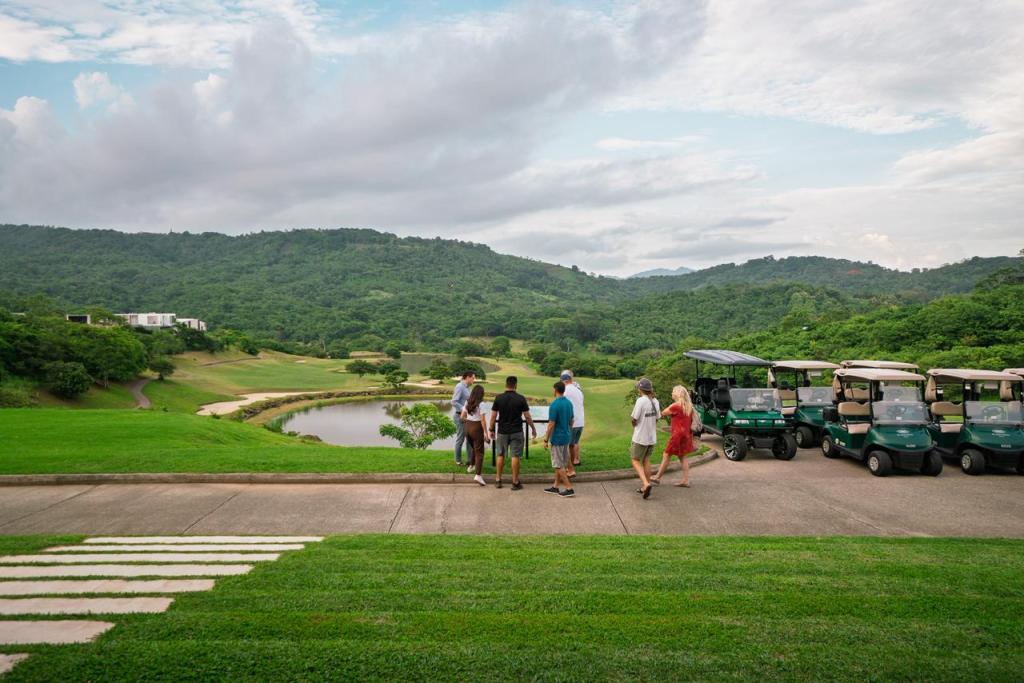
You can find some properties there. But a meaningful portion of the best opportunities never make it to public listing sites at all. Off-market deals, pre-construction opportunities, and properties moving through trusted local networks don’t show up in a scroll; they move through relationships, referrals, and teams who’ve been operating in a specific market long enough to know what’s coming before it’s listed anywhere.
The public-facing inventory and the full inventory are two different things. In an emerging market like El Salvador, that gap tends to be larger than people expect. If you’re only searching online, you’re working with an incomplete picture of what’s actually available.
Myth #2: “It’ll be cheaper if I buy directly from the owner”
A lower asking price and a better deal are not the same thing. What happens between the asking price and the closing table (due diligence, title verification, legal review, negotiation, local market comparables) can move the outcome significantly in either direction.
El Salvador has its share of title complications, zoning nuances, and properties with histories that aren’t immediately visible. Skipping professional support to save on fees is one of the more common ways buyers end up paying more than they needed to, inheriting problems they didn’t anticipate, or spending months untangling something that proper due diligence would have caught early. The savings on the front end can disappear quickly if something surfaces later. Having the right people in your corner from the beginning tends to be worth it, not just for peace of mind, but for the actual financial outcome.
Myth #3: “Every area in El Salvador offers the same lifestyle”
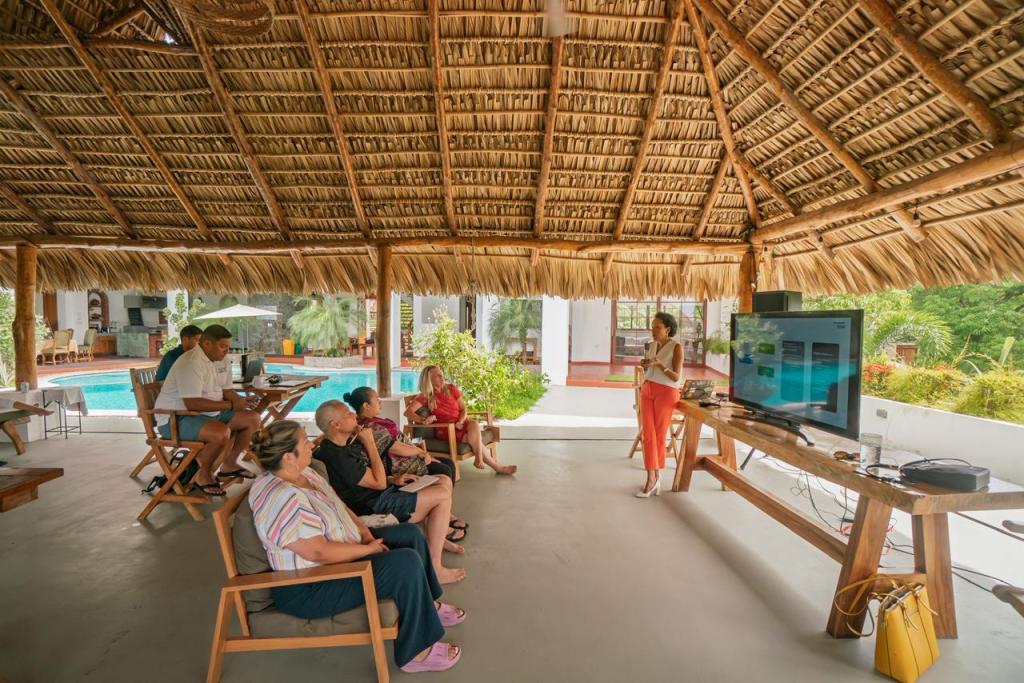
This one is worth taking seriously before making any decisions. El Zonte, Costa del Sol, Comasagua, Tamanique, and San Salvador are not interchangeable; and treating them as if they are is one of the faster ways to end up in the wrong place.
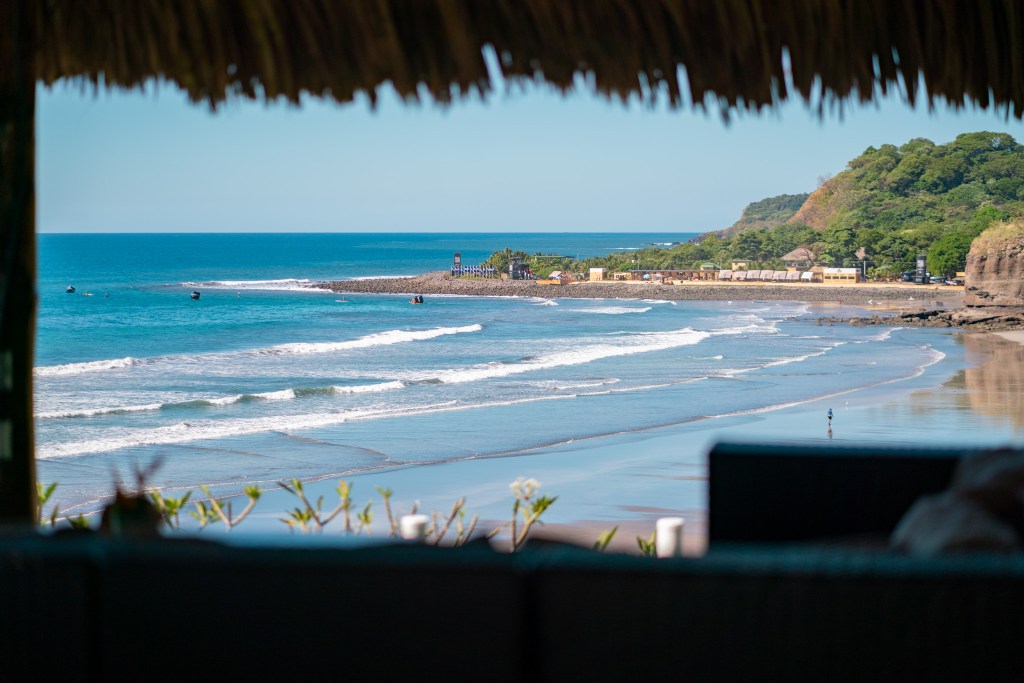
El Zonte is a surf village with an international community, a strong Bitcoin economy, and a pace that’s deliberately slow. Costa del Sol is a longer, quieter coastal stretch with a different demographic and a different daily rhythm. Comasagua and Tamanique are cooler, greener, highland options that appeal to people who want distance from the beach scene. San Salvador is the city, restaurants, nightlife, infrastructure, and everything that comes with urban living.
Getting the location right is often just as important as getting the property right. The best property in the wrong location tends to be a frustrating hold. Spending real time thinking through where you actually want to be, before you start looking at listings, is one of the better uses of early research.
Myth #4: “Foreigners can’t own property in El Salvador”
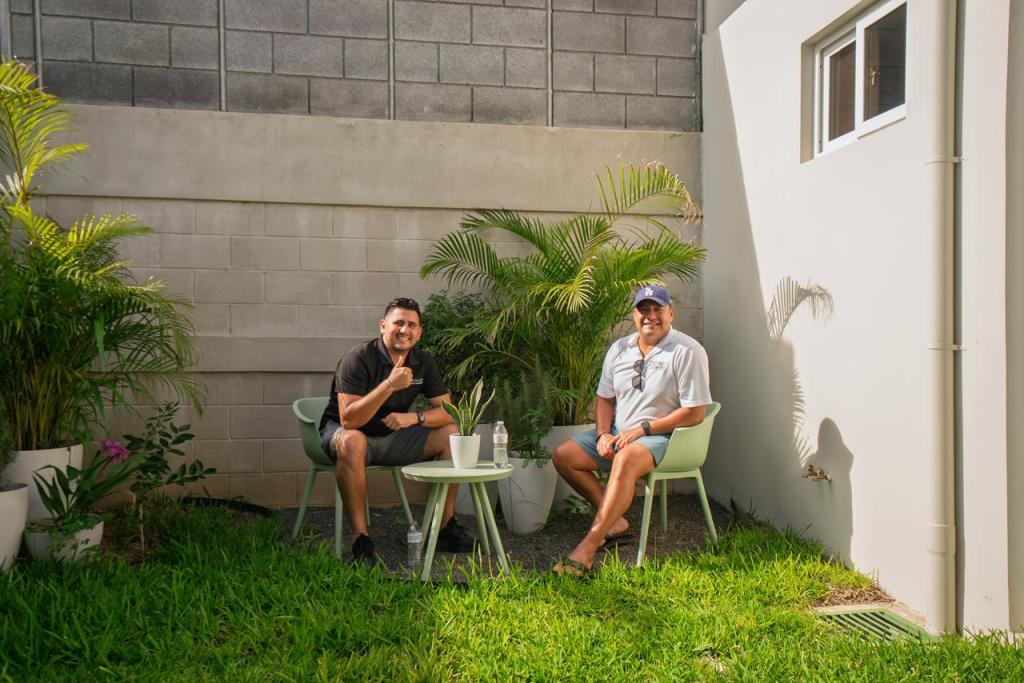
Foreign buyers in El Salvador generally enjoy the same ownership rights as Salvadoran citizens. There’s no foreign ownership restriction on residential or commercial property in most cases, no requirement to partner with a local citizen, and no special category of ownership that limits what you can do with the asset.
Vacation homes, investment properties, long-term residences, foreign ownership is common, well-established, and legally straightforward when handled correctly. This myth tends to keep people from even starting the conversation, which is a real missed opportunity, because the process is more accessible than most people expect. The legal framework exists. The precedent exists. What it requires, like any real estate purchase abroad, is proper guidance and the right professionals on your side.
Myth #5: “You need to make a decision before visiting”
Nobody serious expects you to commit before you’ve seen anything in person. Most buyers spend time in different areas first, getting a feel for the communities, the daily lifestyle, what’s accessible, what’s not. Reading about El Zonte is one thing. Spending a week there, understanding the roads, the neighbors, the morning routine, the proximity to things you actually care about — that’s a different kind of information.
A visit also tends to surface options you wouldn’t have found from a distance. Properties that don’t photograph well but work perfectly in person. Neighborhoods you wouldn’t have considered based on a map. Local context that changes how you think about a specific listing. If you’re considering El Salvador seriously, visiting before deciding isn’t just reasonable; it’s probably the most efficient thing you can do to move the process forward.
Myth #6: “Buying land is easier than buying a home”
Both require the same level of care. Title verification, due diligence, an understanding of local zoning and building regulations, and a clear picture of what you’re actually allowed to do with the property; none of that changes based on whether there’s a structure on it or not.
Land purchases come with their own set of questions: access to utilities, zoning classification, construction timelines, permit processes, and the cost of building in a specific area. An existing home comes with a different set: condition, structure, existing legal history, HOA or community rules if applicable. Neither is inherently simpler. The right choice depends on your goals, your timeline, and what you’re actually building toward.
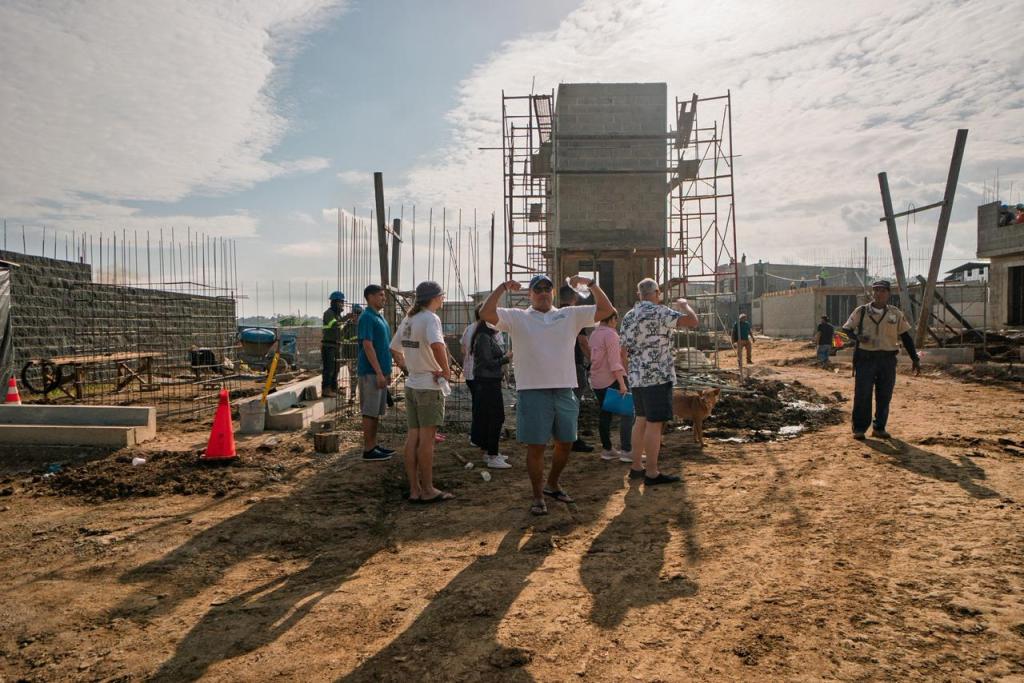
Myth #7: “The location doesn’t matter as long as the property is nice”
Location tends to be the biggest single factor in how a purchase plays out over time, for daily lifestyle, for accessibility, for resale value, and for long-term satisfaction. A well-built property in the wrong location can sit. A more modest one in the right place, close to the right community, on the right trajectory, in a market that’s moving, tends to perform better across almost every dimension.
In El Salvador specifically, this matters because different areas are at very different stages of development. Some coastal zones are early. Some are already established. Some inland areas are starting to attract attention for the first time. Knowing where a specific location sits in that cycle, and whether it aligns with your goals, is a more important question than most buyers think to ask upfront.
The Short Version
El Salvador is an active, accessible market with real opportunities for buyers at multiple price points and with different goals. But like any market, it rewards people who come in informed, and it can be unforgiving to those who act on assumptions that don’t hold up under scrutiny.
The myths above are worth knowing not because they make the market sound complicated, but because clearing them out of the way tends to make the path forward a lot simpler. Most of the friction people anticipate around buying here doesn’t exist in the way they expect. And most of the friction that does exist is manageable with the right support.
If you have questions about what buying in El Salvador actually looks like (the process, the locations, the numbers) we’re happy to walk through it.
