

Why Families Are Relocating to El Salvador: Safety, Education, Healthcare, and Lifestyle
El Salvador has moved from a country most families ruled out to one they’re actively researching. The shift shows up in relocation forums, real estate inquiries, and school enrollment numbers from expat families. Here’s what’s actually driving the move — not the highlight reel, the specifics.
Safer Communities
Security is usually the first question families ask, and it’s a fair one given the country’s history. What’s changed: El Salvador’s homicide rate has dropped from among the highest in the Western Hemisphere to one of the lowest in Latin America over the past four years, following the government’s territorial control policies. For families, that translates into something simpler — kids walking to school, evening walks, and public spaces that get used rather than avoided.

Affordable International Education
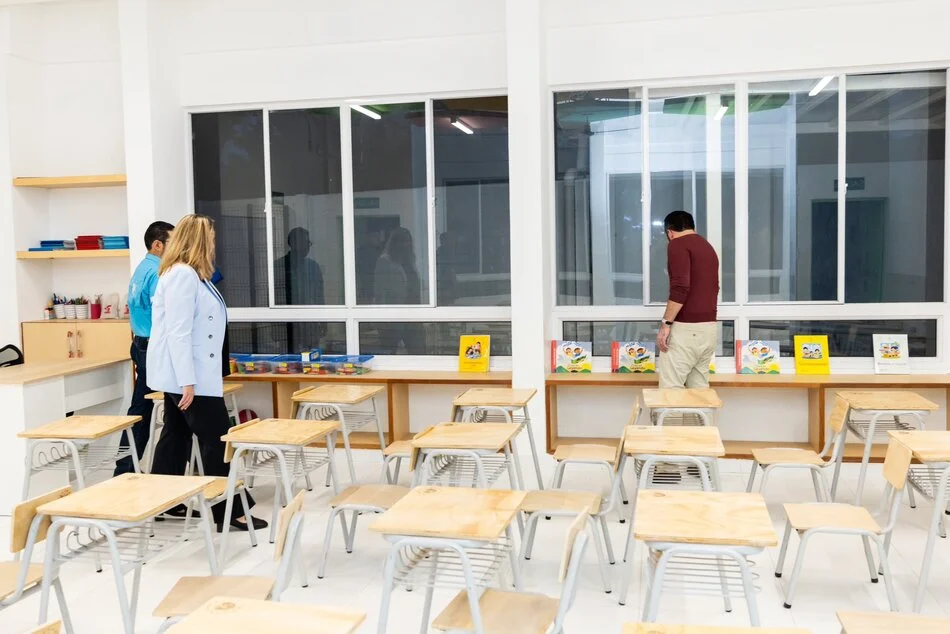
Bilingual and international schools in San Salvador and along the coast run a fraction of comparable U.S. or Panama tuition, while still following American, British, or IB-aligned curricula. For a family relocating from the U.S., that can mean the difference between one or two children in private school versus three, without changing the household budget.
Accessible Private Healthcare
Private hospitals in San Salvador offer U.S.-comparable equipment and specialists at a fraction of U.S. out-of-pocket costs, with shorter wait times for procedures and specialist visits. For families without employer-sponsored U.S. insurance, this is often the deciding factor over healthcare quality assumptions about Central America.

A Home for Every Lifestyle
Housing options range from urban condominiums in San Salvador to gated communities near the coast to standalone beach homes in areas like El Zonte and El Tunco. Unlike markets where family-friendly housing means suburban tract homes, El Salvador’s options let families choose between city access, community amenities, or direct beach proximity — often within a 30–45 minute range of each other.

More Time Outdoors and Together
Shorter commutes and easy access to the coast mean more of the week actually gets spent together instead of in transit. A weeknight can include a sunset swim. A Saturday can mean a family lunch in a mountain restaurant where you can enjoy and not worry about anything else. Kids grow up around cousins, grandparents, and neighbors rather than scheduled playdates squeezed between activities.
It’s a smaller shift than it sounds like, but it adds up: more shared meals outside, more time in the water, more unstructured time as a family rather than as individuals moving through separate schedules.

More Families Are Choosing El Salvador
The numbers back up what’s visible on the ground. Foreign residency applications and real estate inquiries from families — not just individual investors — have climbed steadily over the past few years, with the coast and San Salvador’s northern suburbs seeing the most interest. Word of mouth plays a real role here: families who relocated two or three years ago are the ones now fielding questions from friends and relatives considering the same move.
Whether the goal is relocating full-time, splitting time between two countries, or simply investing while the market is still early, El Salvador is showing up on more shortlists for the same reasons outlined above — safety, cost, education, healthcare, and lifestyle, not any one factor on its own.
If you’re weighing a move, it helps to talk it through with someone who knows the market. Contact us and we’ll walk you through what fits your family — no pressure, just the details you need to decide.
