

Centro Histórico, San Salvador: Why It’s Attracting Investment
Cover photo by Arne Müseler
If you haven’t been to downtown San Salvador in a few years, it looks different now. The Centro Histórico, the capital’s original core, is being restored block by block, and private investors are starting to follow.
Here’s what’s behind it, what the public numbers say, and what to weigh if you’re thinking about putting money to work there.
We work mostly along the coast, but the capital is less than an hour from much of La Libertad, and anyone planning long term in El Salvador should know what is happening there.
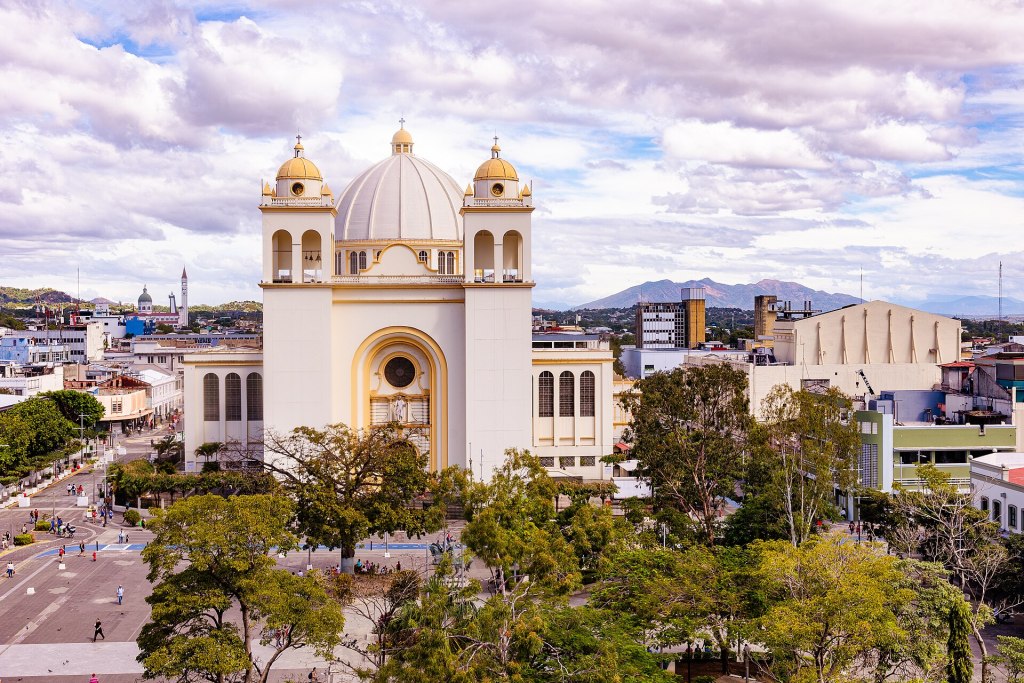
Photo by Arne Müseler
What Changed Downtown
The Centro Histórico covers the area around Plaza Libertad, the Catedral Metropolitana, the Palacio Nacional, and the Teatro Nacional, now joined by the National Library, which opened in November 2023.
The work started with the basics: cleaner streets, restored plazas, and public works like burying overhead cables and renewing water networks, some of which are still underway.
Today the district mixes heritage buildings with restaurants, cafés, retail, and cultural spaces — and that public groundwork is a big part of why private money is paying attention.
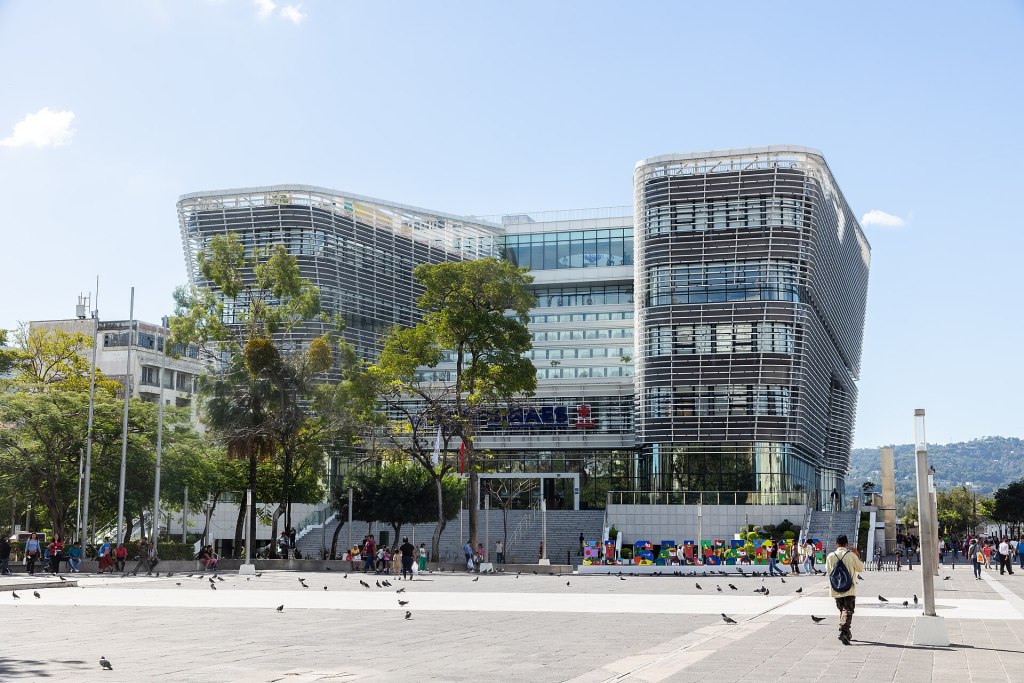
Photo by Arne Müseler
One Authority, One Window
In 2023, the Legislative Assembly created APLAN, the Historic Center Planning Authority, under the Ministry of Tourism. It approves and supervises restoration and development projects in the area and runs a single window (ventanilla única) where permits and procedures are handled in one place.
Instead of chasing paperwork across several offices, you work with one authority and a clearer set of rules for what can be restored, built, or converted.
There are also tax incentives for qualifying projects. Under the regulation that took effect in November 2025, they include an income tax exemption of up to 10 years on income from the qualifying investment and an exemption from municipal taxes tied to the project. The minimum investment is US$1,000 per square meter, or US$25,000 for buildings under 25 square meters.
Each project is evaluated individually, so confirm eligibility with APLAN and your tax advisor before counting on any incentive.
A 15-Year Plan
In August 2026, APLAN received a land-use and development plan for the historic center, prepared with support from the Inter-American Development Bank. It’s a 15-year roadmap covering zoning, heritage protection, mobility, tourism, security, and bringing more residents back, with protection measures for 239 cultural properties.
The goal, according to the authority’s planning team, is to guide public and private investment and give investors more certainty.
What the Numbers Say
According to APLAN’s latest figures (as of September 2026), its single window has processed around US$200 million in private investment projects since 2023, across roughly 1,000 projects. One caveat: those are amounts processed through the window, not confirmed completed investment.
On the ground, more than 40 new businesses opened in 2025 and more than 10 have opened so far this year, mostly restaurants, cafés, retail, and cultural spaces.
It’s also mostly a local story. APLAN’s director estimated in September 2025 that roughly 90% to 95% of investors are Salvadoran. Hotels and apartment-style rentals are moving through permitting too, and tourism is helping: El Salvador closed 2025 with more than 4 million international visitors, according to the Ministry of Tourism.
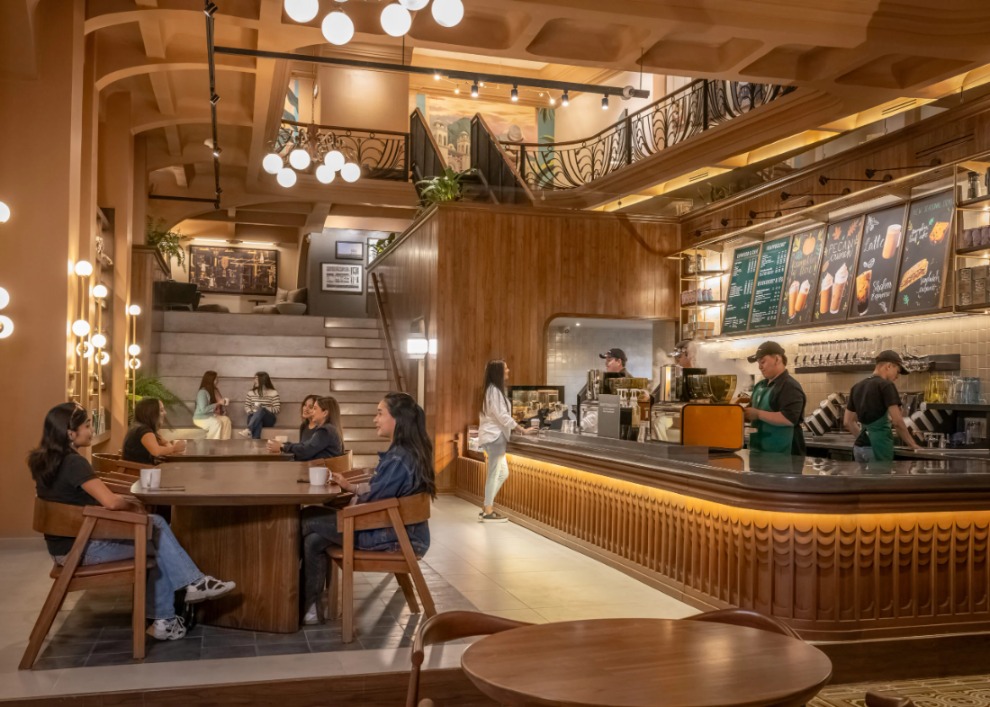
Photo by Starbucks
What to Weigh Before You Invest
Here’s the honest take: this is a different kind of opportunity than the coast.
Many buildings in the district have architectural or historical value, so restoration comes with heritage requirements, structural studies, and permits. APLAN also applies guidelines to keep too many similar businesses from clustering on the same blocks. And demand works differently from the beach — tied more to city and cultural visits than to surf seasons.
The figures above come from APLAN and local press reports, not independent audits, and nothing here is a guaranteed return. Before you commit, check the title and ownership history, the building’s condition, its permitted use and heritage requirements, and whether the project qualifies for any incentive. That’s where a local advisor can help you.

Photo via @nacionsivar1
Thinking About Investing in the Centro Histórico?
Contact our team at hello@goodlifeelsalvador.com to talk it through or to compare it with opportunities on the coast. We’ll walk you through what makes sense for your plans, with no pressure.
