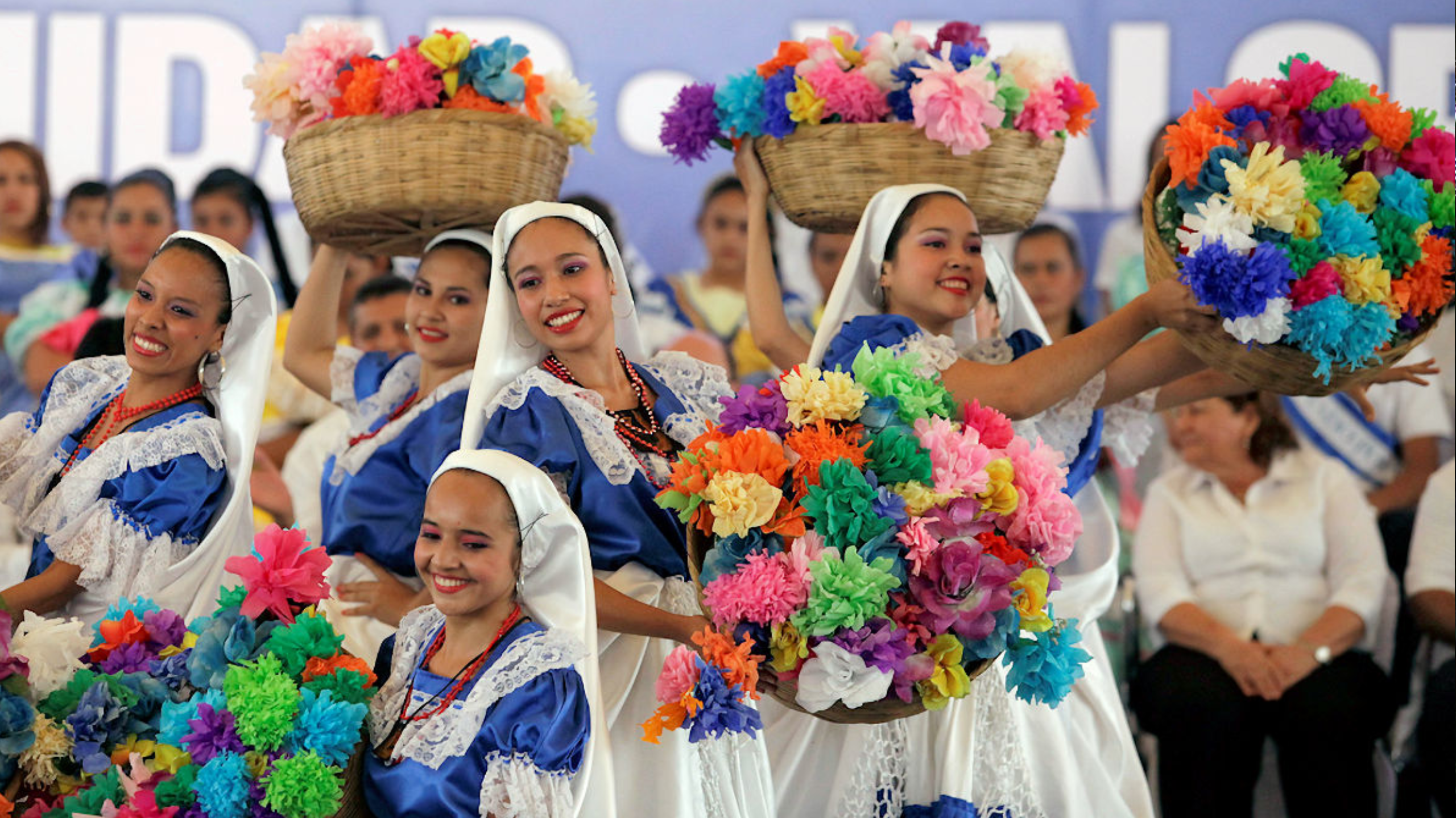
10 Essential Facts You Need to Know About El Salvador
El Salvador has gained attention in recent years for its economic growth, improved security, and investment opportunities. Whether you’re planning a vacation or considering a move, here are 10 essential things you need to know to fully experience everything El Salvador has to offer.
1. The “Mother Tongue”
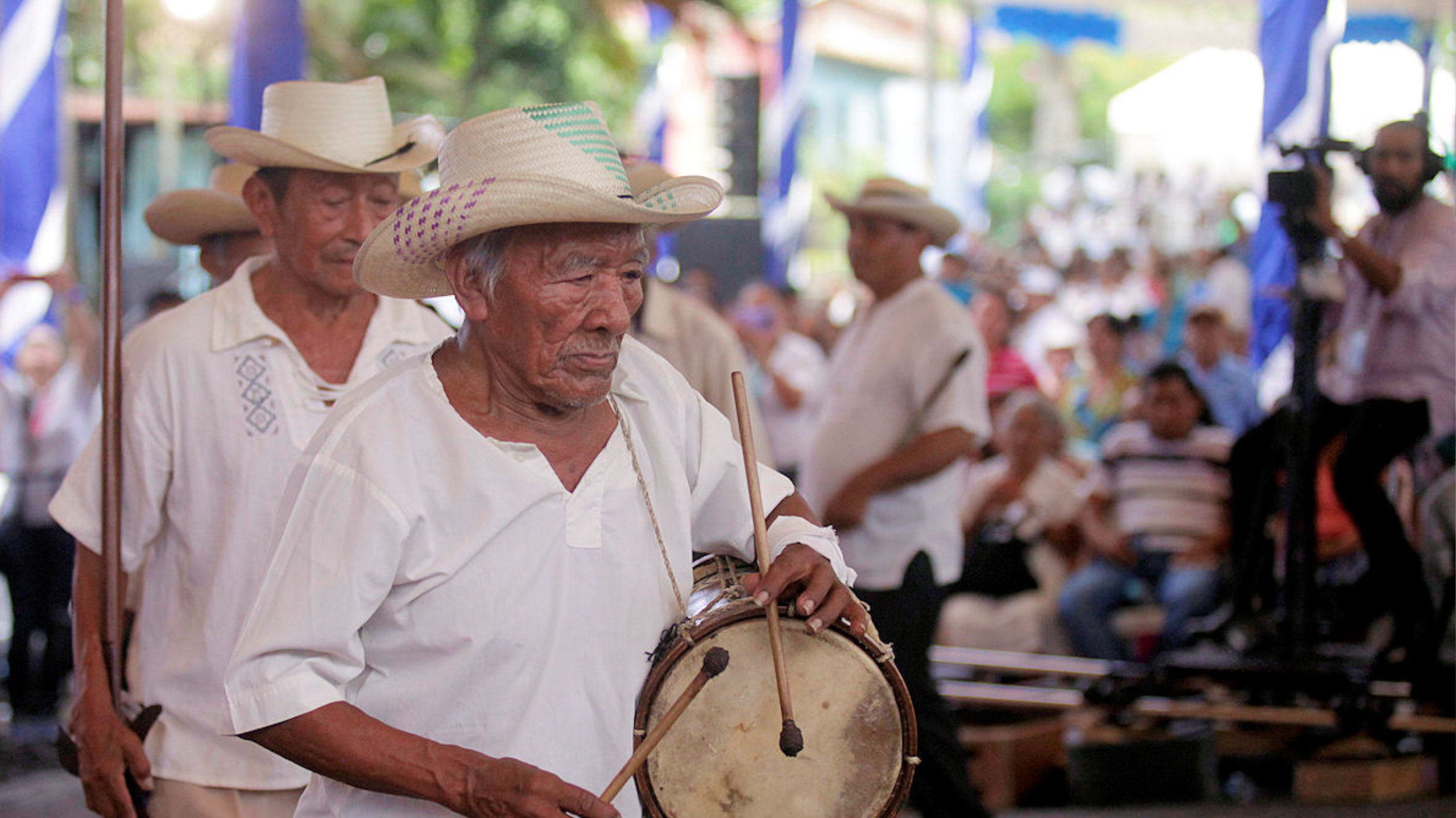
El Salvador’s original language is Nahuatl, often referred to as the “mother tongue.” The country was once called “Nikan Nemi Kuskatan,” meaning “Here is the jeweled land.” Though not commonly used for communication today, the national university continues to teach Nahuatl, and some national schools offer classes to preserve this important part of El Salvador’s heritage.
2. Traditional Food
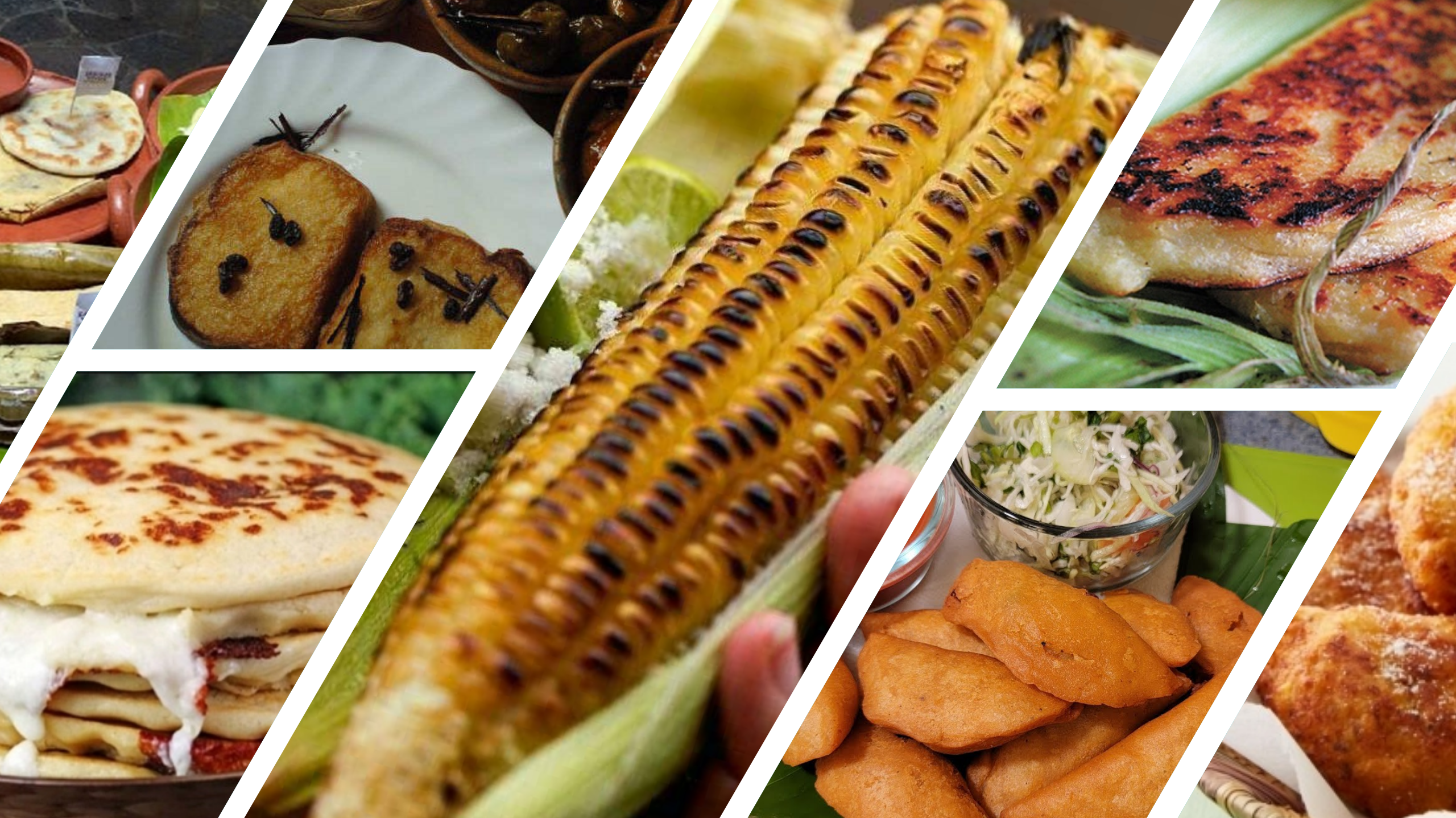
While pupusas are the most popular Salvadoran dish, El Salvador offers a wide variety of traditional foods worth exploring. Many of these dishes are made from corn, yucca, or plantains. Some must-try items include:
- Riguas: Corn cakes often grilled in banana leaves.
- Empanadas: Sweet plantain pastries filled with beans or custard.
- Yuca Frita: Fried yucca served with chicharrón and curtido.
- Crazy Corn (Elote Loco): Corn on the cob topped with mayonnaise, cheese, and other toppings.
You’ll find these traditional foods at many local spots, especially enjoyed in the afternoon during “coffee time.” Don’t miss out on Salvadoran drinks like “Chilate,” “Chuco,” and “Chicha” for a true taste of El Salvador’s culinary heritage.
4. Coffee Culture
El Salvador boasts a vibrant coffee culture that’s deeply woven into its history, economy, and society.
Key Coffee Regions:
- Santa Ana: Famous for high-altitude farms producing complex, flavorful coffees.
- Ahuachapán: Known for rich, well-balanced coffees.
- Sonsonate: Renowned for smooth and sweet coffees.
Though coffee was historically an export staple, domestic consumption has grown significantly. Specialty coffee shops and a burgeoning coffee culture are now thriving in urban areas.
El Salvador’s coffee culture is a harmonious blend of tradition and innovation, deeply rooted in its rich history and focused on a sustainable future.

5. Yes, We Have a Famous Soccer Player.
Jorge “Mágico” González is a legendary figure in Salvadoran and international soccer, remembered for his magical performances and enduring influence on the game. He began his career with AD Isidro Metapán, then achieved national fame with CD FAS, winning several league titles. González made a significant impact in Spain’s La Liga with Cádiz CF, where his extraordinary skill, dribbling, and creativity earned him the nickname “El Mago” (The Wizard). He also had a brief stint with Real Valladolid. Honored with various accolades, González is widely regarded as one of the most talented and charismatic players of his generation. His legacy lives on in the hearts of football fans, especially in El Salvador and Cádiz.

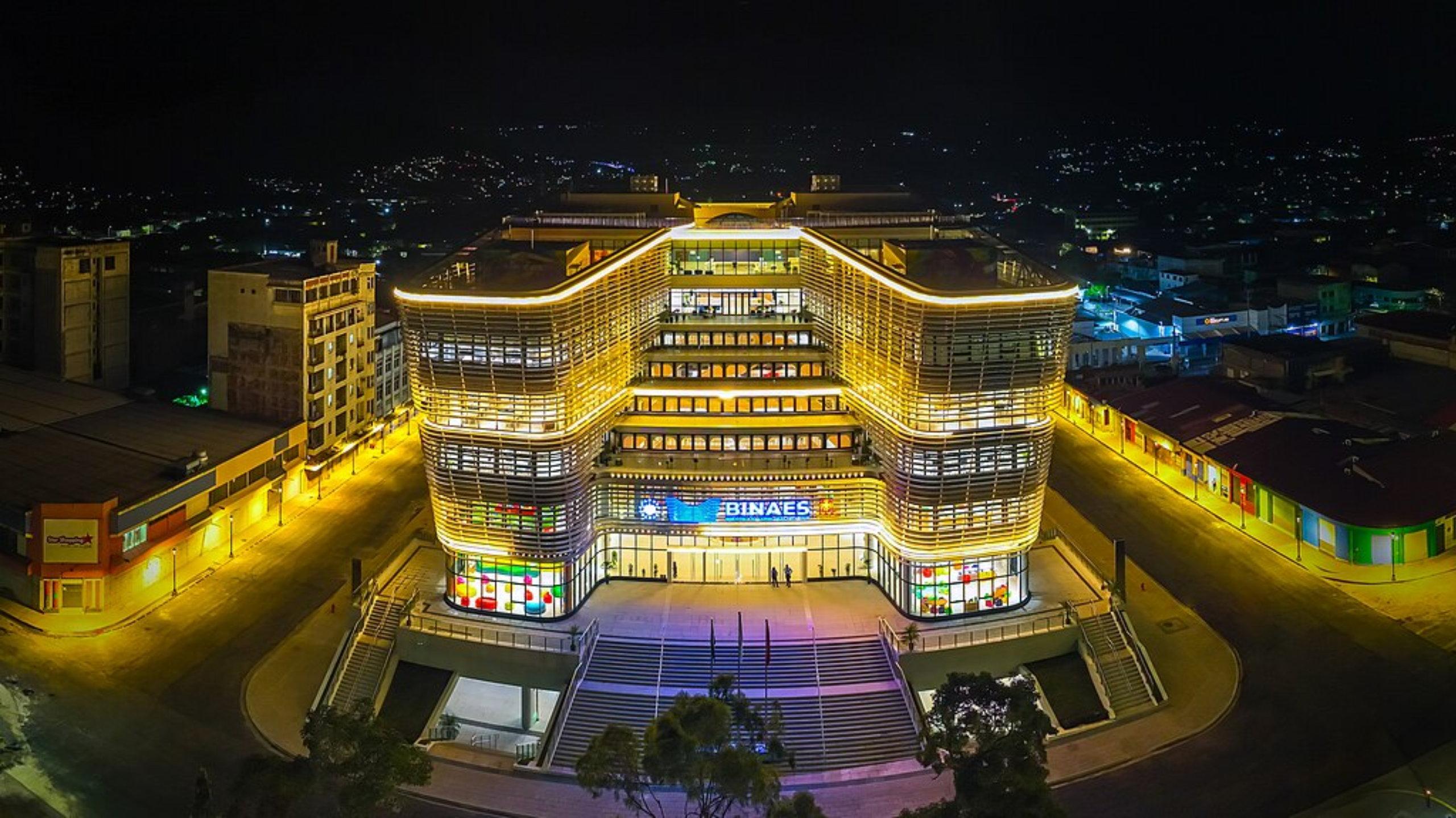
6. BINAES — The Largest Library in LATAM
BINAES, or the Biblioteca Nacional de El Salvador, is the National Library of El Salvador, housing an extensive collection of books, manuscripts, periodicals, maps, and other documents significant to Salvadoran history and culture. It preserves historical documents and rare collections vital for research and cultural preservation. BINAES provides public services, including reading rooms, research facilities, educational programs, interlibrary loans, and digital archives. It also hosts cultural activities such as exhibitions, lectures, workshops, and events to promote literacy and cultural awareness. As a cornerstone of Salvadoran cultural and intellectual life, BINAES is dedicated to preserving and disseminating the nation’s literary and historical heritage.
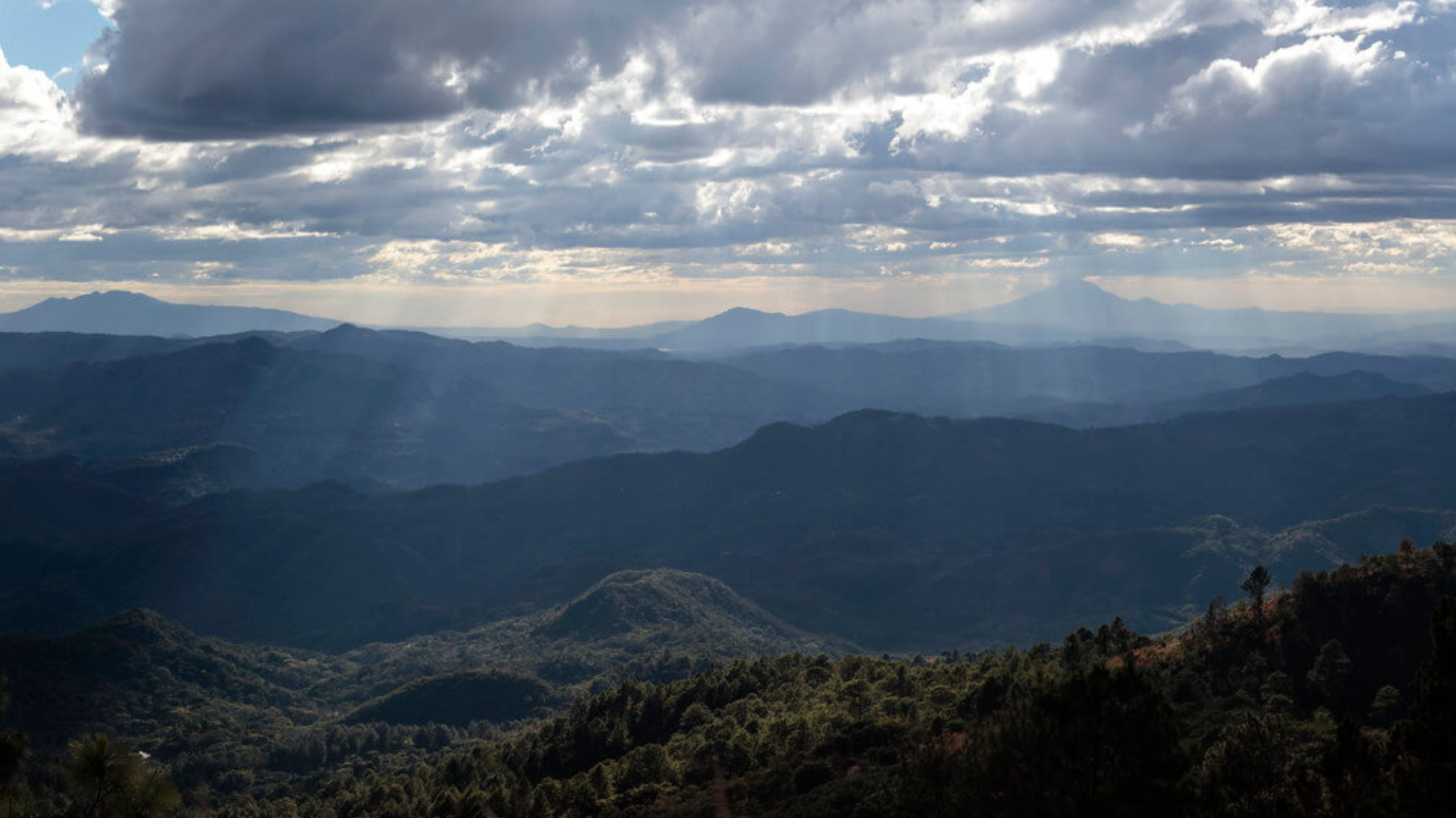
7. You Can Cross the Entire Country in Just 8 Hours.
One of the unique aspects of the country is that you can drive across its entire length in about 8 hours, making it possible to explore a variety of environments and attractions within a single day.
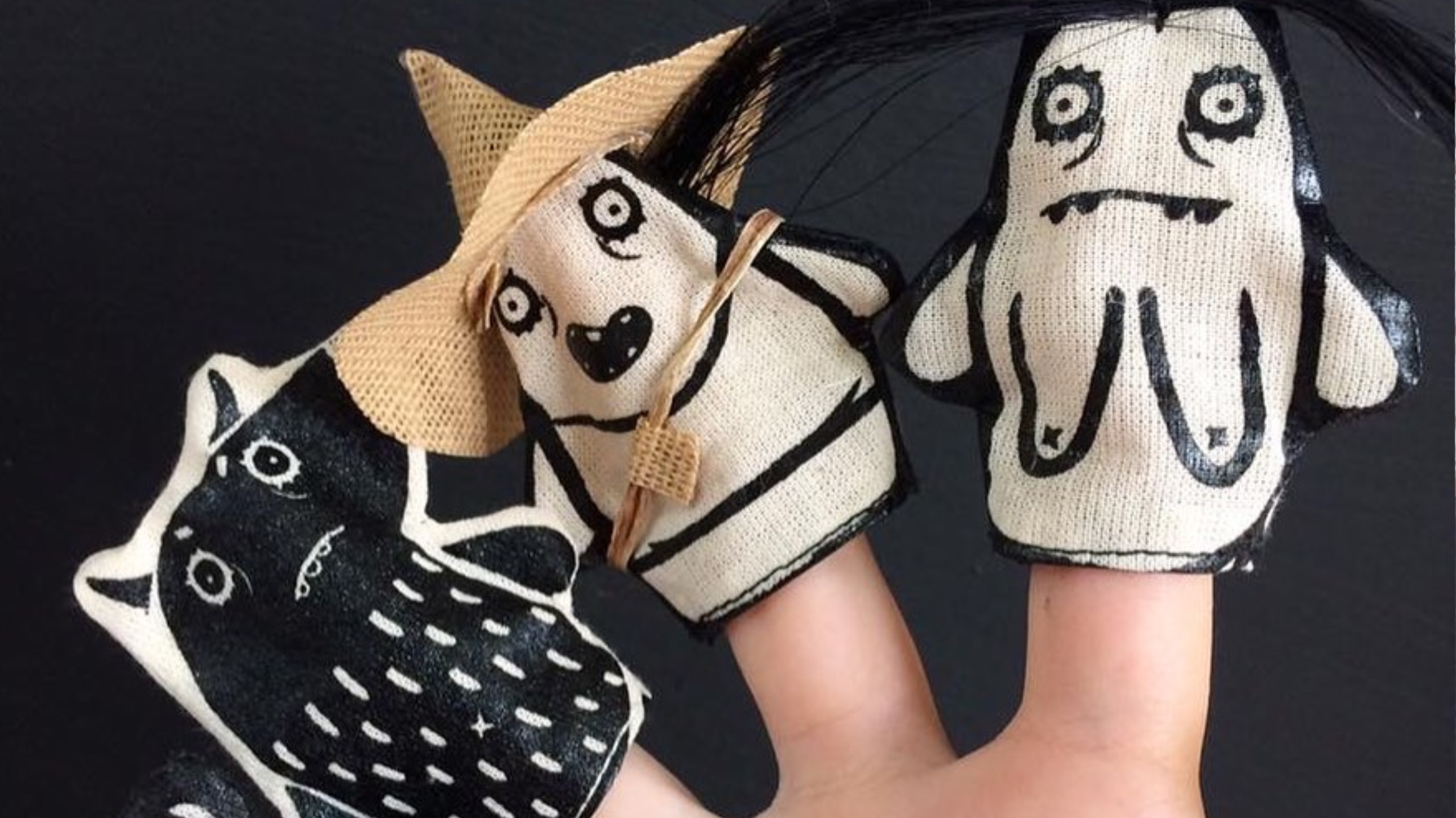
8. A Culture of ‘Legends’
El Salvador has a rich tradition of folklore and legends deeply embedded in its cultural heritage, blending indigenous beliefs, colonial influences, and local experiences to create a unique tapestry of mythical and supernatural narratives. Popular legends such as La Siguanaba, El Cadejo, and La Llorona reflect the values, fears, and hopes of the Salvadoran people, often carrying moral lessons and cautionary messages. These stories are passed down through generations, preserving cultural identity and shared history, while also influencing art, literature, and modern media. El Salvador’s culture of legends is a vital part of its national identity.
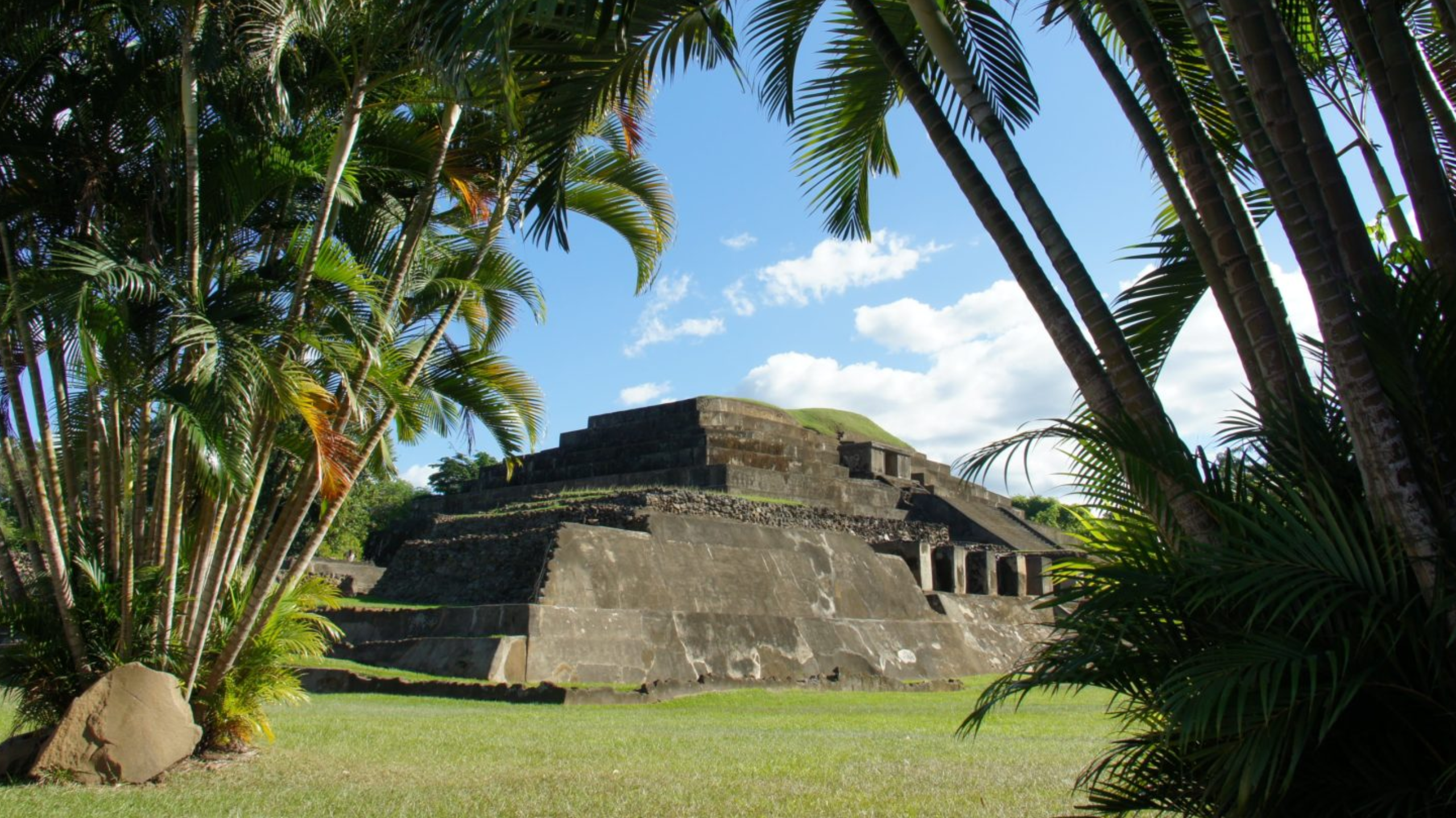
9. Joyas de Ceren
Joyas de Ceren in El Salvador is a UNESCO World Heritage site, often called the “Pompeii of the Americas” due to its remarkably preserved structures from the Late Classic period of Mayan civilization (600-900 AD). Discovered in 1976, this archaeological site provides a unique glimpse into ancient Mayan life and culture. Excavations have unearthed well-preserved houses, kitchens, and communal spaces, along with artifacts like pottery and tools. Joyas de Ceren offers visitors insights into Mayan agricultural practices and daily routines, highlighting their resilience and ingenuity against the backdrop of El Salvador’s volcanic landscapes.
10. Warmth and Friendliness
Salvadorans are widely esteemed for their warm hospitality and friendly demeanor, ensuring that visitors feel genuinely welcomed and valued. Their hospitality is characterized by a sincere willingness to assist others, exemplified through warm greetings and acts of kindness extended throughout a visitor’s stay. Family and community hold significant importance in Salvadoran culture, shaping social interactions and nurturing a deep sense of community. This cultural emphasis on warmth, generosity, and respect underscores Salvadorans’ commitment to creating memorable experiences for travelers as they explore the country’s natural landscapes, historical landmarks, and lively local communities.